Mental trauma rises as authorities face growing strain
2,600 death row inmates await final verdict in prisons
 AI Generated Image
Special Correspondent:
Nearly 2,600 death row inmates are currently languishing in various prisons across the country, awaiting final verdicts from higher courts after being sentenced to death by lower or high courts.
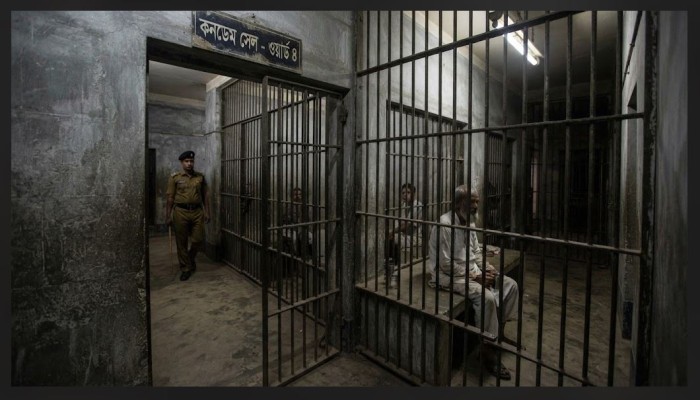
Due to prolonged legal delays, these prisoners remain confined to specialized cells for years, suffering severe mental trauma, while prison guards face immense difficulty managing their aggressive behavior and discipline.
Protracted Delays and Pending Death References:
Serial killer Rosu Khan of Chandpur, convicted of brutally murdering 11 women, received the death penalty in a lower court in 2015. Although the High Court upheld the verdict, the final hearing in the Appellate Division of the Supreme Court remains pending. Similarly, in the widely reported case of eight-year-old child Asiya in Magura, the local Women and Children Repression Prevention Tribunal sentenced accused Hitu Sheikh to death on May 17 last year. Despite the trial concluding in just 14 working days, no significant progress has been made even a year after the death reference documents reached the High Court.
Prison officials attribute these year-long delays primarily to slowness in preparing the necessary paper books. As a result, many condemned prisoners wait between 8 to 12 years for a final outcome. In several instances, higher courts later acquit the accused or commute their death sentences to life imprisonment due to insufficient evidence. A joint study by BRAC and the Supreme Court highlighted that weak investigation processes and witness absences lead to high acquittal rates in cases involving violence against women and children.
Living Conditions of Condemned Prisoners:
According to Department of Prisons data as of July 23, 2026, around 2,600 death row inmates—including 76 women—are currently held across 74 prisons nationwide. Condemned prisoners are kept in specific cells. For strategic and security reasons, prison authorities strictly avoid placing an even number of death row inmates together in a single cell. Officials explain that an even number of inmates poses a risk of synchronized plotting or sabotage, whereas odd-numbered groupings make collective unrest less likely and help authorities gather intelligence.
Md. Jannat-ul-Farhad, Assistant Inspector General of Prisons (Media and Development), stated that death row inmates exhibit distinct and often volatile behavior compared to general prisoners. They are segregated from the general prison population, restricted to designated areas, and assigned no official work duties.
Mental Health Crisis and Trauma:
Inmates sentenced for killing close relatives or family members often suffer from intense emotional distress and trauma. However, mental healthcare in facilities remains severely under-resourced. Prison officials admitted that addressing psychological health is particularly challenging given the severe shortage of regular medical doctors, forcing authorities to transfer critically affected inmates to civil surgeons or district hospitals for psychiatric care.
Legal Procedures and Administrative Challenges:
Under criminal procedure, any death penalty awarded by a trial court requires mandatory confirmation by the High Court Division, a process known as a "Death Reference." Once the case records arrive at the High Court, official paper books are prepared so that the death reference, jail appeals, and petitions can be heard jointly.
Senior prison administrators emphasized that managing death row inmates within overcrowded facilities presents an ongoing operational challenge. With prisoners frequently resisting authority and behaving disruptively, officials stressed that expediting the disposal of pending death reference cases is essential to reducing overall prison pressure.

 AI Generated Image